
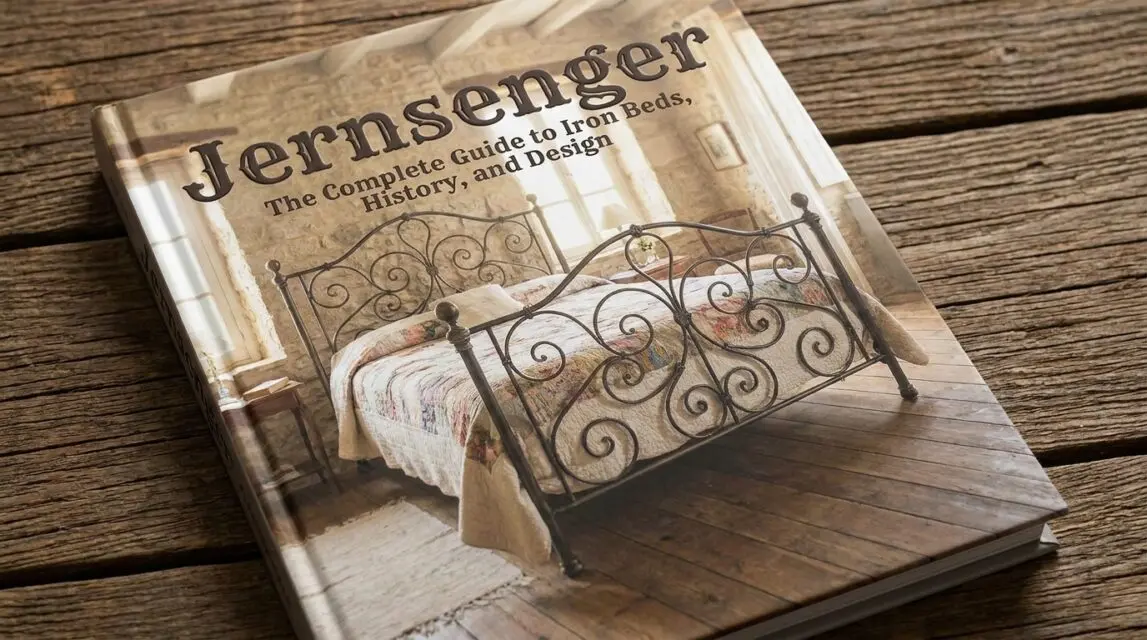

The term jernsenger might sound unfamiliar at first, but it represents a world of craftsmanship, durability, and timeless design. While the word has recently sparked curiosity online, its roots run deep in Scandinavian language and European industrial history. Whether you are an interior design enthusiast, a history buff, or someone shopping for a bed that will last a lifetime, understanding jernsenger is essential.
In simple terms, jernsenger refers to iron bed frames . The word itself is a compound from Scandinavian languages—specifically Danish and Norwegian—where jern means “iron” and senger (or senge) translates to “beds” . However, jernsenger is more than just a literal translation; it embodies a design philosophy that values strength, cleanliness, and aesthetic elegance that transcends generations .
The Linguistic Origin of Jernsenger
To fully appreciate jernsenger, one must first understand its linguistic heritage. Unlike English terms that simply describe an object, the Nordic compound word carries a sense of material honesty. In Scandinavian design traditions, furniture is not meant to be disposable. It emphasizes durability, practicality, and minimalist beauty .
The word jernsenger entered broader discussions as a way to distinguish high-quality, often antique or artisan-crafted metal beds from mass-produced generic frames. In Norway specifically, the term is historically linked to Christiania Jernseng- og Jernvarefabrik, a foundational company that industrialized the production of these beds . Thus, saying jernsenger implies a specific standard of quality connected to Nordic manufacturing heritage.
You Might Also Like: Plangud
The Historical Rise of Jernsenger
The 19th-Century Hygiene Revolution
The history of jernsenger is inextricably linked to a public health crisis in the 19th century. Before the rise of metal frames, most people slept on wooden beds. While wood was readily available, it had a dark side: it is porous. These tiny cracks and crevices became perfect hiding spots for bed bugs, rodents, and bacteria .
When cholera and other diseases swept through European cities, medical experts identified the traditional wooden “box” bed as a health hazard. The shift to jernsenger became a public health victory. Iron is non-porous, solid, and easy to sanitize with harsh disinfectants . Hospitals were the first to adopt iron frames, but the trend quickly spread to domestic homes. By the Victorian era, owning a jernsenger was not just a style choice; it was a statement about cleanliness and modernity .
The Industrial Era and Craftsmanship
As the Industrial Revolution progressed, ironworking became refined enough to move beyond tools and weapons. In Norway, the founding of Christiania Jernseng- og Jernvarefabrik in 1848 marked a pivotal moment for jernsenger . The factory brought together skilled craftsmen who began producing beds that combined functional strength with intricate design.
These beds were built to last. Unlike the wooden frames that warped in humid climates or cracked in dry heat, jernsenger remained stable. The craftsmanship involved hand-forged details, casting techniques, and durable finishes that protected the metal from rust . This era cemented the jernsenger as a symbol of social status and practical thinking in European homes.
Modern Interpretations and Styles
Today, jernsenger has evolved to fit a variety of aesthetics, bridging the gap between 19th-century elegance and 21st-century minimalism. Generally, modern iron beds fall into two distinct stylistic categories:
1. Victorian Classic
This style captures the romance of the past. Victorian jernsenger are characterized by intricate scrollwork, curved lines, and ornamental details. They often feature brass finials or elegant flourishes at the head and footboard. Despite their detailed appearance, these beds have a “weightless” quality because the metal rods are thin, making a large bed feel airy rather than bulky .
2. Industrial Minimal
In contrast, the industrial style focuses on utility and raw aesthetics. These jernsenger feature straight lines, matte black or gunmetal finishes, and visible hardware. They are designed to act as a “skeleton” for the room, blending seamlessly into lofts or modern homes with exposed brick and concrete floors .
Practical Benefits of Choosing a Jernsenger
Why should a modern shopper choose a jernsenger over wood or upholstered fabric beds? The advantages are substantial.
Durability and Sustainability
Most “wood” beds sold today are made of MDF or particleboard held together by glues. When they break, they end up in a landfill. Jernsenger offers a different path. Iron is one of the most recycled materials on the planet . If you decide you no longer want the bed in twenty years, the metal can be melted down and turned into something else without losing quality. Furthermore, a high-quality jernsenger will not warp, crack, or sag under the weight of heavy hybrid or latex mattresses .
Hygiene and Airflow
Because jernsenger are constructed with open frames, they provide superior airflow to the mattress. This prevents the growth of mold, mildew, and dust mites, which often plague solid divan bases or box springs . The non-porous nature of the metal also means there are no hiding places for allergens or pests.
Noise and Stability
One common myth about jernsenger is that they squeak. However, noise is usually a sign of poor assembly or extreme age. Modern iron frames use precise locking mechanisms and heavy-duty bolts. If a jernsenger does start to “talk,” a quick tightening of the bolts or adding a rubber washer between joints silences the metal-on-metal friction instantly .
The “Iron Singer” Myth and Digital Presence
Interestingly, the search for jernsenger reveals a fascinating intersection of history and internet culture. Some interpretations of the word connect it to the Old Norse term for “Iron Singer”—mythical beings or spirits believed to embody the power of iron and metalworking .
In contemporary digital spaces, jernsenger has begun trending as a unique identifier. Because the word is rare outside of furniture niche circles, it is being adopted as usernames, gamer tags, and brand names . This duality makes jernsenger a unique keyword: it represents both a 150-year-old piece of Scandinavian industrial history and a modern, blank-slate concept for creative digital projects.
How to Style Your Jernsenger
Because metal beds have a “thin” profile, they can sometimes feel cold if left bare. The secret to styling a jernsenger is layering textures.
Softening the edges: Use a thick mattress and a long duvet that drapes over the sides to soften the hard edges of the iron.
Contrast: If you have a black industrial jernsenger, pair it with white linen bedding for a classic high-contrast look. If you have a white Victorian frame, muted tones like sage green or dusty rose enhance the romantic cottagecore aesthetic .
Storage: The space under a jernsenger is a storage goldmine. Because they sit on high legs, use wicker baskets or vintage suitcases to keep the room organized while adding texture.
Frequently Asked Questions
Do I need a box spring with a Jernsenger?
It depends on the design. Many modern jernsenger frames come with built-in metal slats. If the slats are less than 3 inches apart, you can place your mattress directly on the frame. If the frame is an antique with only a few support bars, you will need a box spring or a bunkie board .
Will an iron bed ruin my floors?
Metal feet can scratch hardwood. Always use felt pads or rubber cups under the feet of your jernsenger to protect your flooring and prevent sliding .
How do I maintain my Jernsenger?
Maintenance is minimal. Dust the frame occasionally. If you live in a very humid environment, check for nicks in the paint. If you see rust forming, scrub it with a wire brush or vinegar, then apply metal-grade paint to seal it .
Conclusion
Jernsenger is far more than a fleeting internet trend or a generic piece of furniture. It is a testament to the value of “slow design”—furniture built with integrity that respects the user and the environment. From its origins as a life-saving hygiene solution in the 19th century to its status as a sought-after vintage and modern staple, the iron bed continues to prove its worth.
Whether you are drawn to the romantic scrollwork of the Victorian era or the stark simplicity of industrial design, choosing a jernsenger means investing in strength, history, and timeless elegance for your home.