
 By Callum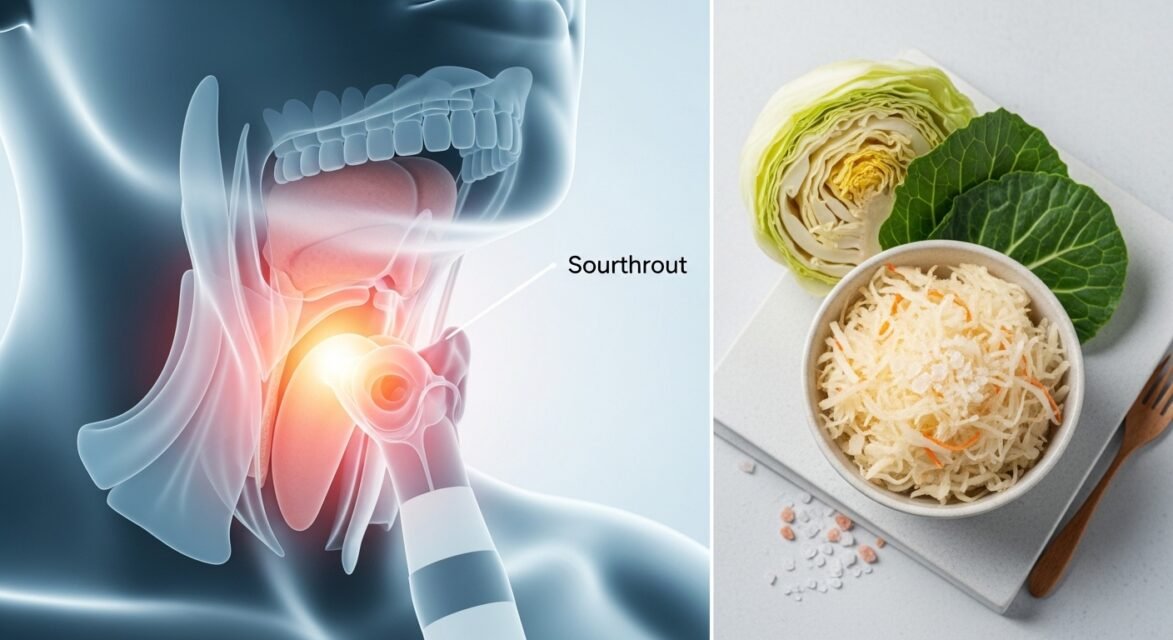
Sourthrout is an informal term used to describe throat pain, irritation, or inflammation within the pharynx. This condition functions as an immune response to various triggers, including pathogens and environmental stressors. By understanding its mechanisms, you can better manage discomfort and promote faster healing.
There are 3 main benefits of managing Sourthrout early: reduced inflammation, prevention of secondary infections, and improved comfort during swallowing. Sourthrout primarily affects daily activities like speaking and eating, but proper care can restore normal function quickly. The main components of the throat involved in this condition include the pharynx (throat), larynx (voice box), and tonsils.
Understanding the Throat and Its Role
The throat, scientifically known as the pharynx (PH), acts as a multi-purpose gateway for the body. It serves as the primary pathway for both the respiratory and digestive systems.
Pharynx: Transports air to the lungs and food to the stomach.
Larynx: Houses the vocal cords for speech production.
Tonsils: Functions as a first line of defense against inhaled or swallowed pathogens.
Esophagus: Moves chewed food down to the digestive tract.
A healthy throat requires constant moisture and a robust immune system to ward off the “Sourthrout” sensation. When the lining becomes dry or irritated, it leads to the raw, scratchy feeling often searched for online.
You Might Also Like: Hyperfiksaatio
Common Causes of Sourthrout
There are 6 primary categories that explain why Sourthrout occurs. Identifying the root cause is the first step toward effective treatment.
Viral Infections
Viral infections cause approximately 90% of all sore throats. These infections do not respond to antibiotics.
Common Cold: Leads to mild irritation and a runny nose.
Influenza: Results in high fever and severe throat pain.
Mononucleosis: Causes long-lasting fatigue and swollen lymph nodes.
Bacterial Infections
Bacterial causes are less frequent but often more painful.
Strep Throat: Caused by Streptococcus pyogenes bacteria. It presents with white patches and lack of a cough.
Tonsillitis: Occurs when the tonsils become infected and swollen.
Environmental and Lifestyle Factors
Your surroundings play a huge role in throat health.
Dry Air: Sucks moisture from the pharynx, especially during winter.
Smoke Exposure: Irritates the delicate tissues through chemical contact.
Vocal Strain: Develops after shouting or talking for extended periods.
Gastroesophageal Factors
Gastroesophageal Reflux Disease (GERD) is a common culprit for chronic Sourthrout. Stomach acid travels up the esophagus and burns the throat lining. This “silent reflux” can cause a persistent tickle or a need to clear the throat constantly.
Physical Injury
Physical injury occurs if you swallow sharp foods or sustain a direct blow to the neck. These injuries cause localized pain and may require rest to heal the damaged tissue.
Rare Causes
There are 2 rare but serious causes of Sourthrout: tumors and epiglottitis. If a sore throat lasts longer than two weeks without other cold symptoms, it may indicate a growth in the tongue or larynx.
Symptoms of Sourthrout
Sourthrout presents with a variety of localized and systemic signs. There are 5 primary symptoms:
Scratchiness: A rough feeling in the back of the mouth.
Odynophagia: Pain specifically triggered by the act of swallowing.
Hoarseness: A raspy or strained voice.
Redness: Visible inflammation of the pharyngeal tissues.
Swollen Glands: Tenderness in the lymph nodes under the jaw.
Diagnosis of Sourthrout
Doctors diagnose Sourthrout using 3 main methods. First, a physical exam checks for redness and swelling. Second, a Rapid Antigen Test (RAT) can identify strep bacteria in minutes. Finally, a throat culture may be sent to a lab if the rapid test is negative but symptoms are severe.
Treatment and Home Care On Sourthrout
Treatment focuses on soothing the irritation and addressing the underlying cause.
Home Remedies:
Saltwater Gargle: Mix 1/2 teaspoon of sea salt in 8 oz (236 ml) of warm water to reduce swelling.
Hydration: Drink herbal tea or warm broth to keep the area moist.
Humidifiers: Increase moisture in your bedroom to prevent overnight dryness.
Medical Options:
Analgesics: Take Ibuprofen or Acetaminophen to reduce pain and fever.
Antibiotics: Use these only if a doctor confirms a bacterial infection.
When to Seek Medical Attention
Seek medical attention if you experience any of these 4 “red flag” symptoms:
Difficulty breathing or gasping for air.
Drooling because you cannot swallow saliva.
A fever higher than 101°F (38.3°C).
Blood in your saliva or phlegm.
The Health Benefits of Sauerkraut
Interestingly, the term “Sourthrout” is sometimes confused with Sauerkraut, a fermented treasure brimming with flavor and health benefits. This tangy delight has roots that stretch across Europe and Asia, particularly in Germany and Poland.
Sauerkraut is a powerhouse of nutrients that can boost your well-being. This fermented treasure is an excellent choice for weight management because it is low in calories. Incorporating sauerkraut into your diet supports gut health and improved immunity because it contains Lactic Acid Bacteria (LAB).
There are 5 key nutrients in sauerkraut:
Vitamin C: Strengthens the immune system.
Vitamin K: Supports bone health and blood clotting.
Probiotics: Promote gut health and nutrient absorption.
Antioxidants: Fight inflammation and oxidative stress.
Fiber: Aids in digestion.
You can spice up your meals by adding sauerkraut to tacos, sandwiches, or avocado toast. This vibrant flavor adds a tangy delight to pork chops, sausages, and roasted duck. For a modern twist, try adding it to smoothies or salads with a zesty vinaigrette.
You Might Also Like: Wollmatten
Conclusion On Sourthrout
Sourthrout is a common condition involving throat pain and irritation that affects people of all ages. While it is often caused by viral infections, understanding its symptoms and causes is essential for recovery. Simple home care like hydration and saltwater gargles can provide a tangy delight of relief for minor cases.
By supporting your immune system and gut health—perhaps by incorporating a powerhouse of nutrients like sauerkraut—you can boost your well-being and fight inflammation. Whether you are dealing with a scratchy throat or looking for new ways to spice up your meals, maintaining a healthy lifestyle is the best way to promote gut health and overall longevity.