
 By Callum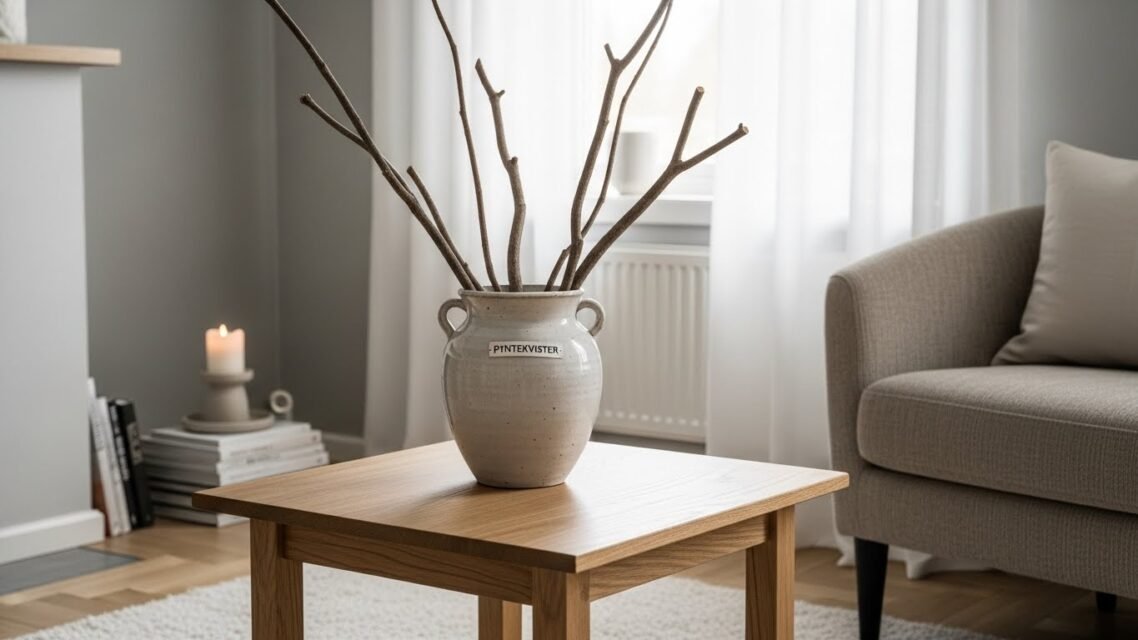
In the fast-paced world of business and marketing, innovation is key to staying ahead. One of the most intriguing concepts emerging in recent years is pyntekvister. This unique approach combines creativity with strategic thinking, offering a fresh perspective on how we engage with our audiences. Whether you’re a marketer looking for new ways to captivate your customers or an entrepreneur seeking inspiration for your next project, understanding pyntekvister can open up exciting possibilities.
Pyntekvister, a Norwegian term translating to “decorative twigs” or “ornamental branches,” serves as a visual language that speaks of the seasons and the quiet elegance of nature. Recognizing its cultural roots can inspire pride and deepen appreciation for this Scandinavian tradition.
What is Pyntekvister?
Pyntekvister is an innovative tool designed to enhance communication and engagement in various settings. They combine visual elements with interactivity, allowing users to convey complex ideas. In a home decor context, they are natural twig or branch arrangements celebrated for their organic beauty and minimalist appeal.
These dynamic presentations often incorporate multimedia components like videos, infographics, and animations when used in digital marketing. This makes information more digestible for audiences across different platforms. Their adaptability ensures that they remain relevant in an ever-changing landscape of communication methods.
The Origins and History of Pyntekvister
Pyntekvister has a rich history that traces back to ancient cultures in Scandinavia. Initially, they were simple visual tools used for storytelling and education. In rural communities, these decorative hangings emerged as symbols of warmth and hospitality, representing a family’s identity within their village.
The Renaissance marked a significant turning point. Artists began incorporating intricate designs into pyntekvister, creating stunning displays that captured attention and conveyed deeper meanings. This period laid the groundwork for modern applications in art and fashion. In the digital age, technology transformed pyntekvister dramatically, allowing for interactive elements that engage users in unprecedented ways.
The Cultural Significance of Pyntekvister
In Nordic countries, nature is not just a backdrop—it’s a way of life. Pyntekvister embody the Scandinavian principles of simplicity (Enkelhet), nature (Natur), and seasonal living (Årstidene). This reverence is reflected in interior design, where the outdoors is brought inside to create a sense of harmony.
By making content visually appealing and engaging, Pyntekvister fosters a deeper understanding of our environment. They serve as a reminder that beauty is found in the unadorned and uncomplicated, promoting a lifestyle of mindfulness and intentionality.
You Might Also Like: Claude Edward Elkins Jr
Symbolism Behind Pyntekvister
Each branch used in an arrangement carries specific symbolic weight. There are 4 primary seasonal symbols associated with pyntekvister:
Spring Twigs (Renewal & Growth)
Branches with buds or blossoms—such as cherry, apple, or forsythia—symbolise new beginnings, hope, and the return of life after winter.
Summer Twigs (Abundance & Vitality)
Green, leafy branches like eucalyptus or olive represent fullness, energy, and the richness of life.
Autumn Twigs (Change & Reflection)
Twigs with dried leaves or berries reflect transformation, letting go, and the beauty of ageing.
Winter Twigs (Stillness & Strength)
Bare branches like birch or pine symbolise endurance, quiet, and the strength found in simplicity.
Pyntekvister and the Seasons: A Living Calendar
One of the most meaningful aspects of pyntekvister is its ability to mark the passage of time. In a world that often rushes forward, Pyntekvister invites us to pause and notice subtle changes in nature. By updating your arrangement with the seasons, you create a living calendar in your home or business.
This practice doesn’t rely on numbers but on textures, colours, and forms. Spring brings budding twigs and soft pastels, while winter focuses on bare branches and pinecones. This cyclical approach ensures your environment stays fresh and aligned with the natural world.
Traditional pyntekvister techniques showcase the artistry of skilled artisans, often using durable materials suitable for long-term display. The intricate designs, which may feature geometric shapes and vibrant colours, are crafted with care to ensure stability and ease of maintenance in various environments. Traditional pyntekvister techniques showcase the artistry of skilled artisans. The intricate designs often feature geometric shapes and vibrant colours, each with its own story.
Materials used include:
- Handwoven fabrics for added texture.
- Wooden frames offer stability.
- Traditional dyes are made from plants and minerals.
- Locally sourced branches such as birch, willow, or hazel.
Modern Adaptations of Pyntekvister
Modern adaptations of pyntekvister reflect a dynamic evolution that marries tradition with contemporary aesthetics. Artists and designers have reimagined these patterns for today’s digital age. In interior design, print motifs now grace wallpaper and textiles, adding a touch of whimsy to minimalist settings.
Graphic designers use digital tools to create modern interpretations that can be shared worldwide via multimedia platforms. This accessibility allows more people to appreciate the beauty of it than ever before, integrating it into contemporary marketing strategies and educational frameworks.
The Influence of Pyntekvister in Art, Fashion, and Interior Design
Pyntekvister has carved a niche in several creative realms. Its intricate patterns and vibrant colours resonate with creators seeking inspiration from traditional crafts.
- Art: Artists incorporate these motifs to blend history with contemporary aesthetics.
- Fashion: Designers use print patterns to give garments an artisanal flair on the runway.
- Interior Design: It brings warmth and character to spaces, transforming environments into inviting havens through textiles and wall decor.
Pyntekvister in Modern Homes
Pyntekvister’s revival in modern interior design is a perfect fit with lifestyle trends like minimalism and sustainability. In an age of decluttering, a single decorative branch can make a powerful statement without creating visual noise. It adds warmth and groundedness to a space, aligning perfectly with the “hygge” approach to living.
Pyntekvister Flourishes in Modern Homes
As technology continues to evolve, so too do pyntekvister. Their versatility extends beyond aesthetics; they create inviting atmospheres that captivate guests and residents alike. In modern homes, they serve as striking images or functional art pieces that enhance user engagement with the living space.
You Might Also Like: MAP 2.0 Post Assessment Answers
Pyntekvister as a Mindful Practice
Creating and displaying pyntekvister can be a form of mindfulness. The process of gathering twigs, arranging them with care, and observing their changes over time encourages presence. It is a unique approach tailored to help individuals disconnect from the digital noise and reconnect with the physical world.
Making a Sustainable and Mindful Choice
Choosing Pyntekvister is an eco-friendly decision. Because they are made from branches that were cut or fallen, they help reduce your carbon footprint. This practice encourages you to appreciate the imperfections of nature—such as an unexpected bend in a tree branch—as an antidote to the perfectionism often found in digital media.
How to Create Your Own Pyntekvister
Creating your own pyntekvister is a rewarding experience.
- Gather materials: Collect colourful paper, scissors, and glue.
- Sketch a design: Focus on geometric shapes or natural motifs.
- Cut with precision: Ensure clean edges for a professional look.
- Assemble: Piece the elements together, adding personal touches like unique textures or embellishments.
How to Create Meaningful Pyntekvister Arrangements
To bring intention and symbolism into your arrangements, follow these 4 steps:
1. Choose with Purpose
Select branches that resonate with your current season of life. Use budding twigs if you are starting something new.
2. Use Natural Containers
Opt for vases made of glass, ceramic, or wood to enhance the organic feel.
3. Add Personal Touches
Incorporate elements that hold meaning, such as dried flowers from a special occasion or a ribbon in your favourite colour.
4. Create a Ritual
Make arranging your pyntekvister a seasonal ritual to reconnect with yourself.
Selecting the Correct Branches For Your Space
The foundational step is selecting the perfect branches based on your aesthetic goals.
- Birch branches: Use these for a pale, Scandinavian-style minimalist look.
- Willow branches: Choose these for straight or curly, dynamic arrangements.
- Manzanita or Grapevine: Select these for naturally twisted, sculptural shapes.
- Cherry or Oak: Use these for a smooth, dark finish.
Innovative Ideas for Decorating Seasonal Events
Pyntekvister can be adapted to any event using interactive elements.
- Spring Events: Attach handcrafted birds and pastel egg ornaments to budding branches.
- Summer Events: Paint branches bright colours or combine them with dried orange slices.
- Autumn Events: Add pinecones and copper fairylights to rustic, darker branches.
- Winter Holidays: Spray branches with silver or gold and decorate with classic baubles.
Pyntekvister DIY: A Personal touch
Painting branches is the easiest yet most effective DIY project. Use matte black spray paint on a gnarled twig to create a stunning contrast against a white wall. You can also wrap branches in colored twine or yarn to add texture and a “hand-made” feel to your decor.
Pyntekvister for Wall Art or Hanging Displays
Pyntekvister doesn’t just work in vases. You can horizontally mount a large branch on a wall to add natural sculpture to a space. For a more creative touch, hang a branch from the ceiling using clear fishing wire to create a floating centrepiece above a dining table.
Pyntekvister Events: beyond the home
Event planners use Pyntekvister for weddings and corporate gatherings because of their cost-effectiveness and sustainability. Tall branch centrepieces bring drama and height to reception tables without blocking guests’ views. They create a romantic environment when interwoven with crystals and lights.
How Pyntekvister is Used in Different Industries
Pyntekvister has found its way into various industries, showcasing versatility:
- Healthcare: They create calming environments that promote healing through natural elements.
- Education: Classrooms use them to foster creativity and active learning through interactive designs.
- Retail: Brands use them to optimise product displays and elevate the shopping experience.
- Tech Industry: Companies use them for brainstorming sessions to inspire collaboration.
Case Studies: Successful Implementations of Pyntekvister
- Tech Startup: Integrated interactive elements with Pyntekvister designs and saw a 30% increase in time spent on-site.
- Retail Sector: A well-known brand used a seasonal pyntekvister campaign to boost sales during peak periods.
- Education Sector: An online learning provider used Pyntekvister-inspired immersive materials to improve student retention rates.
Benefits of Using Pyntekvister in Business and Marketing
Pyntekvister offers businesses a fresh perspective on engaging customers. They break the mould of traditional marketing strategies by:
- Enhancing brand visibility in crowded markets.
- Facilitating deeper connections with target demographics.
- Integrating seamlessly into diverse digital and print campaigns.
- Providing analytical data based on user interaction with visual elements.
Tips for Creating Effective Pyntekvister
Creating effective pyntekvister requires a blend of creativity and strategy.
- Understand audience needs: Tailor content to resonate with your readers.
- Focus on clarity: Use concise language to convey your message.
- Prioritise visual appeal: Integrate striking images or graphics.
- Include interactive elements: Use polls or quizzes to encourage participation.
You Might Also Like: Jeroen Dik
Where to Find or Gather Pyntekvister
There are 4 main ways to find pyntekvister:
- Nature Walks: Collect fallen branches responsibly from local forests.
- Your Garden: Prune your own trees and shrubs for fresh twigs.
- Florists: Buy dried branches and seasonal accents locally.
- Online Shops: Purchase curated pyntekvister bundles from eco-friendly decor sites.
Take Care of your Decorative Branchs
Pyntekvister can last for several years with proper care. Allow foraged branches to dry completely in a well-ventilated area to prevent mould. Dust the crevices with a soft-bristle brush or compressed air. Store them in a cool, dry place inside a sturdy box if you plan to reuse them for future seasons.
Preserving the Art of Pyntekvister for Future Generations
Preserving this art is crucial for maintaining cultural heritage. Teaching younger artisans through workshops provides hands-on experience with traditional techniques. Documenting historical practices through online tutorials ensures that enthusiasts worldwide can continue the craft, keeping the tradition relevant for future artists.
Conclusion: More Than Just Twigs
Pyntekvister offers a unique blend of creativity and functionality across various sectors. Their versatility has made them an essential tool for businesses looking to enhance engagement and communication. From marketing campaigns that captivate audiences to innovative uses in interior design, the applications are endless.
Creating effective pyntekvister requires thoughtful consideration of your target demographic and objectives. As we explore new frontiers in digital interaction, the role of pyntekvister will undoubtedly expand. Embracing this powerful medium can lead businesses toward greater success while inspiring innovation.