
 By Callum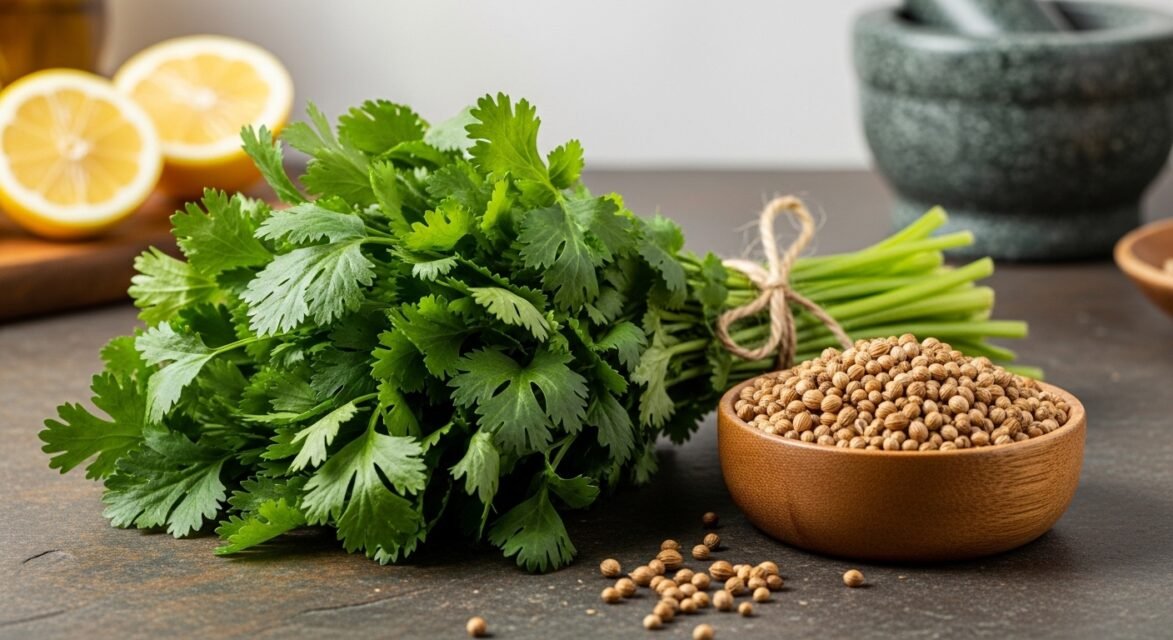
Koriandri (Coriandrum sativum) is a fragrant plant that provides both a fresh leafy herb and a warm, aromatic spice. This versatile ingredient is a staple in global culinary traditions, known for its unique flavor profile that enhances everything from fresh salsas to deep, earthy curries. Beyond its taste, the herb offers significant health benefits, including anti-inflammatory properties and support for overall gut health. The main parts of the plant used in cooking and wellness include the vibrant leaves, known as cilantro, and the dried seeds, commonly called coriander.
Origin and History
Koriandri has a rich history that spans over 3,000 years, beginning in the Mediterranean region and parts of Western Asia. Ancient Egyptians utilized the herb for preservation and included it in tombs, while the ancient Greeks and Romans valued it for both its medicinal qualities and its ability to enhance food.
As trade routes expanded, koriandri spread through Europe, Asia, and Africa. It eventually reached the Americas via European explorers. Today, it is a global crop, grown in diverse climates to satisfy the demand of international cuisines.
You Might Also Like: Ovppyo
Alternative Names and Language Variants
Koriandri is known by several names depending on the region and the part of the plant being referenced. Understanding these variants helps in navigating international recipes:
Cilantro: The common term in the United States and Latin America for the fresh green leaves.
Dhania: The name used throughout India and South Asia for both the leaves and the seeds.
Chinese Parsley: A frequent name in Asian markets, highlighting its visual similarity to parsley.
Koriander: The spelling commonly found in Northern European languages like Estonian and German.
Koriandri vs Cilantro vs Coriander
In the United States, there is often confusion regarding these three terms. While they all refer to the same plant, they typically describe different components.
| Term | Common Meaning in the US | Part of the Plant Used |
| Koriandri | The general or botanical name | The entire plant |
| Cilantro | Fresh green herb | Leaves and stems |
| Coriander | Warm, citrusy spice | Dried seeds (whole or ground) |
Koriandri is the parent term that encompasses both the fresh leaves and the dried spice.
Different Forms of Koriandri
Koriandri is available in 4 primary forms, each offering a distinct texture and flavor:
Fresh Leaves: These provide a bright, citrusy, and pungent flavor used mostly as a garnish or in cold dishes.
Whole Seeds: These contain essential oils that are released when toasted or crushed, offering an earthy and sweet aroma.
Ground Powder: This is the most convenient form for spice blends, though it loses its potency faster than whole seeds.
Roots: Used predominantly in Thai cooking, the roots offer a deep, concentrated flavor that withstands long simmering in stocks and curry pastes.
Health Benefits of Koriandri
Koriandri is a nutritional powerhouse that supports wellness through several mechanisms:
Anti-inflammatory Properties: The herb contains compounds that help reduce swelling and may alleviate symptoms of inflammatory conditions.
Rich in Antioxidants: It provides antioxidants like terpinene and quercetin, which combat oxidative stress and protect cells from damage.
Aids Digestion: Natural oils in the plant stimulate digestive enzymes, which can reduce bloating and improve overall gut health.
Heart Health: Studies suggest koriandri may help lower cholesterol levels (LDL) and improve blood circulation.
Antimicrobial Effects: It has been shown to inhibit certain harmful bacteria, acting as a natural preservative in food.
How to Incorporate Koriandri into Your Diet
You can easily add koriandri to your daily meals to increase flavor and nutrient density. Follow these 5 practical methods:
Garnish Salads: Chop fresh leaves and sprinkle them over greens or grain bowls for a burst of freshness.
Mix into Salsas: Blend with tomatoes, onions, and lemon juice to create vibrant dips and marinades.
Season Meats: Use ground seeds as part of spice blends for meats and veggies before grilling.
Infuse Breakfast: Add chopped leaves to scrambled eggs or omelets to transform a standard morning meal.
Stir into Yogurt: Create a cooling sauce by mixing finely cut leaves into plain yogurt.
Side Effects and Precautions
While koriandri is safe for most people, there are 3 main precautions to consider:
Allergic Reactions: Some individuals may experience skin rashes or respiratory distress if they are sensitive to the Apiaceae family (which includes carrots and celery).
Blood Sugar Interaction: Because the herb can lower blood sugar levels, people on diabetes medication should monitor their levels closely.
The “Soapy” Taste: This is not a health side effect but a genetic trait. Some people possess a specific gene (OR6A2) that makes the herb taste like soap.
Culinary Uses of Koriandri Around the World
Koriandri is a “flavor powerhouse” utilized across various culinary traditions:
Mexican Cuisine: It is an essential ingredient in guacamole and fresh salsa.
Indian Cooking: Both the leaves and seeds are used in curries, chutneys, and lentil stews.
Thai Dishes: The roots and leaves provide the aromatic base for curry paste and soups like Tom Yum.
Middle Eastern: It is a key component in tabbouleh salad and falafel spice mixes.
You Might Also Like: Candizi
Frequently Asked Questions About Koriandri
Is koriandri the same as parsley?
No, koriandri is not the same as parsley, though they look similar. Koriandri has a much more pungent, citrusy flavor, while parsley is milder and more “grassy.”
Can you eat koriandri every day?
Yes, you can eat koriandri every day as part of a balanced diet, as it is low in calories and high in vitamins A, C, and K.
Does cooking destroy the flavor of koriandri leaves?
Yes, high heat destroys the delicate aroma of fresh leaves. Add fresh leaves at the very end of the cooking process to preserve their taste.
How should I store fresh koriandri?
Store fresh leaves by placing the stems in a glass of water (like flowers) and covering the top with a plastic bag in the refrigerator.