
 By Callum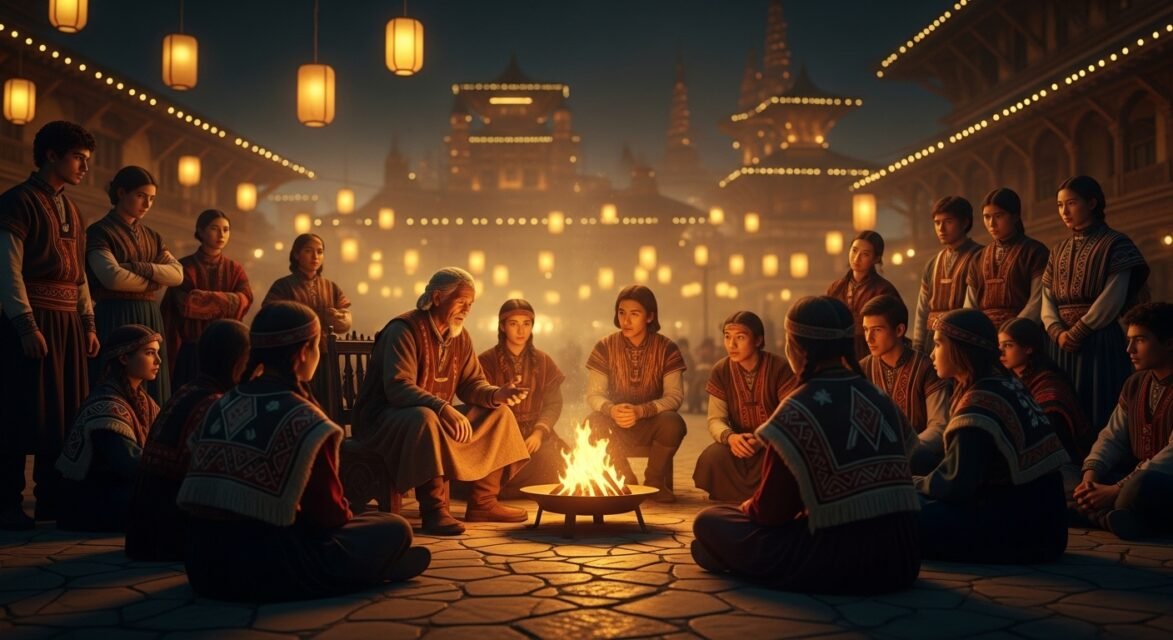
Đeman is a multifaceted cultural concept and symbolic force that represents the intersection of inner strength, historical tradition, and personal transformation. It functions as a bridge between ancient rituals and modern psychological growth, inviting individuals to explore the shared human experience through narrative and reflection. By engaging with đeman, participants can bridge gaps between cultures and perspectives, fostering empathy-driven narratives that unite us all.
The main benefits of đeman include improved emotional awareness, stronger communal bonds, and the development of resilience. It provides a framework for understanding the fragility of relationships and helps individuals navigate the tension between fear and bravery.
Main uses of đeman involve cultural storytelling, traditional celebrations, and modern self-development practices. It is frequently applied in artistic expression to add narrative depth and in community gatherings to reinforce cultural identity.
The main components of đeman consist of symbolic rituals, traditional attire (such as wool embroidery), communal storytelling, and specific culinary elements like Tagine or Mint tea in certain regional adaptations.
What is Đeman?
It is a vibrant cultural tradition and symbolic idea representing inner conflict and hidden power. It is not a single fixed definition but a dual nature that blends light and darkness to promote personal growth. In various contexts, it serves as a force that challenges comfort to spark meaningful conversations about the human journey.
At its core, it revolves around 3 main themes:
Unity and Identity: Communities gather to celebrate shared heritage through music and dance.
Inner Struggle: It symbolizes the tension between desire and discipline.
Balance: It reflects the necessity of aligning one’s internal emotions with external actions.
You Might Also Like: Türk İdla
Historical Origins and Evolution of Đeman
The historical origins of đeman trace back to ancient sacred rituals connecting communities to the earth’s cycles. These early practices involved chants and offerings intended to seek blessings for the harvest and honor ancestors.
The evolution of đeman followed a specific timeline:
Ancient Era: Focused on oral storytelling and moral teachings regarding unseen forces.
Urbanization Period: Traditional elements began blending with contemporary festivities as populations shifted.
Modern Era: It transformed from an external force into a metaphor for internal conflict and personal transformation.
This journey shows how a story worth sharing can adapt over centuries without losing its soul, using authentic voices to maintain its relevance.
Đeman in Vietnamese Culture
It in Vietnamese culture functions as a hidden gem that embodies the heart and soul of cultural heritage. It is woven into the fabric of society through specific rituals and shared experiences that reflect ages of history.
Cultural expressions of đeman include:
Traditional Clothing: The use of handmade garments with intricate embroidery.
Folklore Characters: Participants use masks to bridge gaps between reality and mythology.
Communal Ties: Festivals provide a transformative space for diverse audiences to feel less alone in their struggles.
Modern Interpretations and Adaptations
Modern interpretations of đeman reflect a blend of tradition and contemporary influences, often viewed through the lens of psychology and creativity. Today, artists reimagine rituals by infusing them with current cultural elements and digital storytelling.
Social Media (SM) plays a significant role in these adaptations. Platforms like Instagram and TikTok showcase vibrant celebrations, making it more accessible to younger audiences. These digital tools create a “digital tapestry” where people share personal narratives and empathy-driven narratives. This shift ensures that the power of storytelling continues to inspire change in an increasingly fragmented society.
Health Benefits of Đeman
There are 3 primary health benefits of practicing the principles of đeman: improved emotional awareness, reduced stress through acceptance, and increased mental resilience. By confronting the “inner shadow” that đeman represents, individuals develop better decision-making skills.
Health impacts include:
Mental Clarity: Acknowledging suppressed emotions leads to a stronger sense of identity.
Stress Management: Balanced individuals handle pressure calmly by using discomfort as feedback.
Emotional Empathy: Sharing stories fosters a shared journey that heals communal trauma.
Modern Twists on Traditional Dishes Using Đeman
Modern twists on traditional dishes include the integration of global flavors like Moroccan cuisine into communal đeman feasts. While traditional dishes reflect abundance and gratitude, modern adaptations focus on fusion and inclusive dietary needs.
Food options during these celebrations often include:
Tagine and Couscous: Frequently served in regional variations of the festival.
Mint Tea and Orange Juice: Used to facilitate long conversations among community members.
Local Crafts: Artisanal serving platters that showcase cultural identity.
Controversy Surrounding Traditional vs. Modern Practices
The controversy surrounding it involves a divide between purists who advocate for ancient rituals and reformers who seek innovation. Purists argue that modern adaptations lead to cultural dilution, while reformers believe evolution is necessary to attract younger participants.
This clash often results in:
Accusations of Elitism: Traditionalists may view changes as superficial trends.
Inclusive Shifts: Modernists aim to create an environment where every voice matters, regardless of background.
Dialogue Challenges: Balancing tradition and modernity requires proactive risk management within community leadership.
Common Misunderstandings About Đeman
There are 3 common misunderstandings about đeman that often confuse search engines and readers alike. These myths stem from oversimplification of the concept’s dual nature.
It represents only negativity: In reality, it includes both challenge and opportunity for triumph.
It should be eliminated: Most experts suggest understanding and integrating đeman rather than removing it.
It is only cultural: While rooted in tradition, its principles align closely with modern psychological theory and ethical leadership principles.
Why Đeman Still Matters Today
It still matters today because it validates emotional complexity in an age of constant pressure. It serves as a powerful antidote to isolation, reminding us of our shared humanity and the fragile nature of relationships.
People turn to đeman to:
Spark meaningful conversations: It provides a vocabulary for discussing love and loss.
Unite us all: The shared journey of facing internal struggles creates bridges that connect diverse groups.
Cultivate empathy: Vulnerability in storytelling allows us to understand perspectives different from our own.
You Might Also Like: Beit Bart
How to Apply the Concept of Đeman in Daily Life
To apply the concept of đeman in daily life, you must practice self-reflection and use discomfort as a tool for growth. You do not need deep cultural knowledge to benefit from these principles.
Follow these 4 steps:
Reflect on emotional triggers: Identify the “inner đeman” that causes resistance.
Accept personal flaws: Avoid judgment to create internal stability.
Engage in storytelling: Share your experiences to foster connection with others.
Seek balance: Ensure your actions align with your long-term value and ethics.
FAQs
What does đeman symbolize in simple terms?
It symbolizes inner conflict, hidden strength, and the challenges that lead to personal growth.
Is đeman a negative concept?
No, đeman represents both difficulty and potential. It is a tool for transformation rather than a threat.
Can đeman relate to modern psychology?
Yes, đeman aligns with the concept of the “shadow self” and emotional integration.
Why is storytelling important to đeman?
Storytelling has a unique ability to bridge gaps between cultures and experiences. It serves as the primary method for spreading empathy and connection.