
 By Callum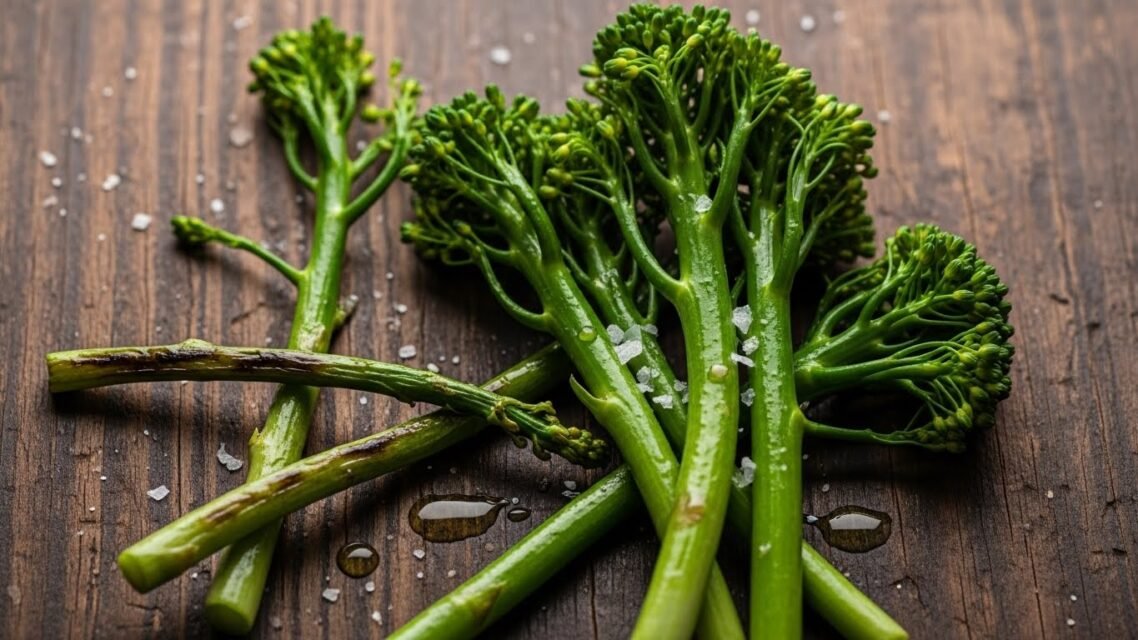
In today’s fast-paced world, finding a balance between health, enjoyment, and mindful living is a priority for many. Crocolini has emerged as a multifaceted discovery that fits perfectly into this pursuit. Whether you recognize it as a nutrient-dense vegetable, an extraordinary exotic pet, or a mindful lifestyle philosophy, Crocolini represents a commitment to quality and elegance. As a green, leafy vegetable, it offers a sweet, mild flavor and a wealth of vitamins. As a companion, it provides playfulness and charm. This guide explores the various dimensions of Crocolini, explaining how it works to enhance your diet, home, and mindset.
What is Crocolini?
Crocolini is most commonly known as a premium, green, leafy vegetable. It is a hybrid vegetable created through traditional breeding techniques, typically blending the characteristics of broccoli with Chinese broccoli (gai lan) or kale. This combination results in a plant that is entirely edible from its small, delicate florets to its slender, tender stems.
Beyond the plate, the term has also been adopted to describe a unique breed of exotic hybrid pets and a specific “slow-living” lifestyle focused on craftsmanship and sensory appreciation.
Crocolini vs. Broccolini: Understanding the Difference
While they appear similar, Crocolini and broccolini have distinct differences. Broccolini is a trademarked hybrid of broccoli and gai lan. Crocolini often incorporates a wider variety of parent plants, such as kale, which can result in a leafier appearance and an even milder, less bitter profile.
Stem | Extremely tender, often thinner | Long, crunchy |
Florets | Small, loose, and delicate | Small, clustered |
Flavor | Slightly sweet, mild flavor | Peppery, earthy |
Edibility | 100% (Leaves, stems, florets) | Mostly stems and florets |
Natural Development and Agricultural Background
Crocolini was developed to solve the “woody stem” problem found in traditional broccoli. By crossing it with Asian greens, breeders created a plant that matures evenly and maintains a soft texture throughout. Farmers value Crocolini for its durability during transport and its uniform growth patterns, which help reduce agricultural waste. It began gaining significant popularity in Europe during the early 2000s and has since become a staple in gourmet and health-conscious markets globally.
Nutritional Benefits of Crocolini
As a nutrient-dense vegetable, Crocolini is designed for those seeking better digestion and a stronger immune system. Its low-calorie count makes it a favorite for weight management, while its dense concentration of phytonutrients provides long-term wellness value.
Nutritional Value of Crocolini
Nutritional Profile
Despite its dainty appearance, this vegetable is a powerhouse. It contains high levels of:
- Vitamin C: Essential for immune function and collagen production.
- Vitamin K: Crucial for bone health and proper blood clotting.
- Vitamin A: Supports healthy vision and skin.
- Fiber: Aids digestive health and stabilizes blood sugar.
- Minerals: Rich in calcium, potassium, and iron.
- Antioxidants: High in sulforaphane, which helps combat oxidative stress.
Health Benefits of Crocolini
Regular consumption of Crocolini supports cardiovascular health and reduces inflammation. The presence of fiber and antioxidants makes it one of the most effective cruciferous vegetables for maintaining a healthy gut microbiome. Because the stems are so tender, they require less cooking time, which helps preserve these sensitive vitamins that are often lost in overcooked broccoli.
Flavor Characteristics and Eating Experience
The eating experience is defined by a slightly sweet, mild flavor. Unlike some bitter greens, Crocolini is approachable for children and picky eaters. Its texture is consistent; the florets are soft, and the stems provide a satisfying but easy-to-chew crunch.
Culinary Uses of Crocolini
Culinary Uses and Preparation
Because it is so delicate, Crocolini is incredibly versatile. Its ability to absorb seasonings beautifully makes it a favorite among chefs.
- Roasting: Toss with olive oil, garlic, salt, and pepper for a caramelized finish.
- Sautéing: A quick pan-fry with lemon zest and toasted nuts like almonds or hazelnuts.
- Stir-Frying: Pairs perfectly with chicken, tofu, or shrimp and a splash of soy sauce.
- Raw: Use it in salads or grain bowls for a fresh, crisp texture.
How to Incorporate Crocolini into Your Diet
Start simple. You don’t need complex recipes to enjoy this vegetable. Replacing your standard side of steamed broccoli with lightly charred Crocolini can immediately elevate a Tuesday night dinner.
Incorporating Crocolini into Everyday Meals
Add it to soups during the last two minutes of cooking to maintain its green color, or blend it into smoothies for a hidden nutrient boost. Its visual appeal—those long, elegant stems—makes it an excellent garnish for plated meals involving miso-glazed fish or Parmesan-crusted chicken.
Versatility in Everyday Cooking
Crocolini is a “one-pan” wonder. Because the stems and florets cook at the same rate, you don’t have to worry about mushy tops and raw bottoms. It is equally at home in a Mediterranean pasta dish with feta as it is in a spicy Asian stir-fry.
Recipes Using Crocolini as the Main Ingredient
- Garlic-Lemon Crocolini: Sautéed in butter with heavy garlic and finished with fresh lemon juice.
- Crocolini Pesto: Blending the leaves and stems with walnuts and olive oil for a vibrant pasta sauce.
- Charred Crocolini Salad: Grilled stems tossed with quinoa, dried cranberries, and a balsamic glaze.
Versatility of Crocolini in Different Cuisines
In Italian cooking, it acts as a bitter-free companion to heavy cheeses. In Asian cuisines, it mimics the crunch of gai lan but with a sweeter finish. It is truly a global ingredient.
Tips for Buying and Storing Crocolini
Selecting Fresh Crocolini at the Market
When shopping, look for:
- Vibrant green color throughout.
- Compact florets that are not opening or turning yellow.
- Stems that feel firm and “snap” when bent.
Proper Storage and Handling at Home
Store Crocolini unwashed in a breathable bag in the crisper drawer of your refrigerator. It typically stays fresh for 5 to 7 days. Only wash it immediately before you plan to cook it, as excess moisture leads to premature spoilage.
Cultivation and Availability of Crocolini
Crocolini thrives in cool weather and is often available year-round in specialty grocery stores, though its peak seasons are spring and autumn. For home gardeners, it is a rewarding crop that reaches harvest in about 30 to 50 days.
Sustainability and Responsible Consumption
Crocolini is a low-waste vegetable. Since every part of the plant is edible, there is virtually zero kitchen scrap. Furthermore, its efficient growth and durability mean less produce is wasted during the supply chain from farm to table.
Potential Side Effects and Considerations
Like all cruciferous vegetables, Crocolini contains complex sugars that can cause gas or bloating in some individuals if consumed in large quantities. If you have a sensitive digestive system, start with cooked versions rather than raw.
Crocolini as an Exotic Pet
In recent years, “Crocolini” has also become a term for a designer hybrid pet, blending the look of small reptiles with the temperament of companion mammals.
Characteristics
These unique pets are known for their small size and distinctive scale-like skin patterns. They are often described as having a “crocodile-like” snout, but the curious personality of a ferret or cat.
Care Requirements
They require specialized enclosures with both dry land and shallow water features. Their diet must be carefully balanced with proteins and specific minerals to maintain their unique skin health.
Popularity and Controversies
While popular on social media, they are subject to controversy regarding ethical breeding. It is vital to find breeders who prioritize the animal’s health over its “exotic” look.
Crocolini as a Lifestyle
The “Crocolini Way” is a philosophy of slow, intentional living.
Core Principles
It values texture, honesty in sourcing, and craftsmanship. It is about choosing items that age gracefully rather than following fleeting trends.
Crocolini in the Kitchen
This involves mindful meal prep—taking the time to smell the herbs and appreciate the colors of your food.
Crocolini in Fashion & Design
Think natural materials: handwoven linens, vegetable-tanned leathers, and earthy tones.
Living the Crocolini Way
It means replacing disposable habits with sustainable ones and supporting local makers over mass-produced goods.
Why Crocolini Deserves a Place in Your Life
Crocolini offers a rare trifecta: it’s good for your body, easy on the planet, and a delight for the senses. Whether you are eating it for the Vitamin K benefits or adopting its slow-living philosophy, it encourages a more thoughtful way of existing.
Conclusion: Why You Should Add Crocolini to Your Menu
Adding Crocolini to your menu is a simple step toward a healthier lifestyle. Its slender, tender stems and small, delicate florets provide a culinary experience that is both refined and easy to prepare. It is a vegetable that truly rewards the cook with minimal effort.
Conclusion: Why Crocolini Continues to Stand Out
Crocolini stands out because it refuses to be just one thing. It is a bridge between nutrition and gourmet flavor, between nature and the home. By choosing Crocolini, you are choosing a path of wellness, sustainability, and joy.
Frequently Asked Questions
What is crocolini?
Crocolini is a hybrid green vegetable, a cross between broccoli and other brassicas like kale or gai lan. It can also refer to an exotic hybrid pet or a lifestyle philosophy.
Is crocolini healthier than broccoli?
It offers a similar nutritional profile but is often considered “easier” to eat because the entire plant is edible and tender, ensuring you get all the fiber and vitamins in the stems.
How do you cook crocolini?
You can roast, sauté, steam, or grill it. It cooks very quickly—usually in 3 to 5 minutes.
Can I eat crocolini raw?
Yes. Its mild, sweet flavor makes it excellent for raw vegetable platters or chopped into salads.
Where can I buy crocolini?
Look for it in the specialty produce section of major grocery stores or at local farmers’ markets during the spring and fall.