
 By Callum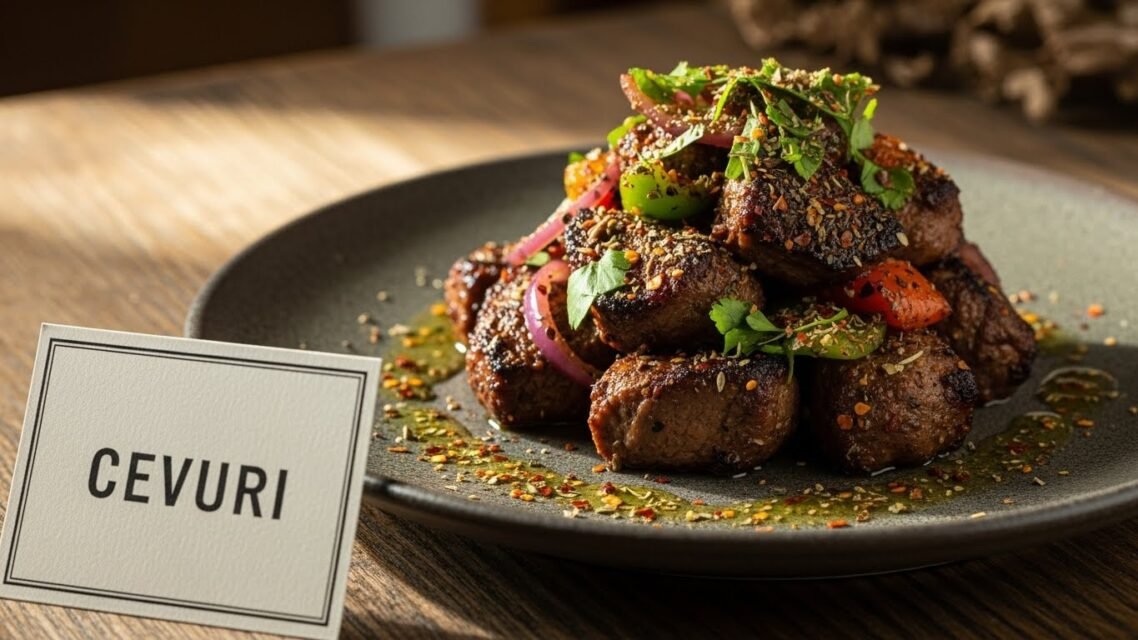
Cevurı is a traditional Turkish culinary concept that encompasses both a hearty, slow-cooked meat dish and a specific roasting technique used to enhance ingredient flavors. The main benefits of incorporating authentic cevuri into a diet include the retention of nutrients through slow cooking, the development of rich, layered flavors without heavy fats, and the preservation of Anatolian heritage. This culinary practice is primarily used to create main courses for communal gatherings or to intensify the taste of nuts, seeds, and spices for side dishes. The main components of the dish are tender lamb or beef, grains such as bulgur or rice, fresh vegetables, and a blend of aromatic spices like cumin and paprika.
What is Cevurı?
Cevurı is a Turkish dish and cooking method rooted in Anatolian history, featuring slow-cooked meats, grains, and vegetables. The name comes from the Turkish verb “çevir”, meaning to turn or transform. Initially linked to spit-roasting, it later became a pot-based meal where ingredients are sautéed and then simmered. It highlights the transformation of simple ingredients into a complex, flavorful feast.
Origins and History
The origins of cevuri trace back to the rural regions of Anatolia, where nomadic Turkic tribes developed cooking methods to tenderize tough cuts of meat. These early cooks relied on open fires and rudimentary cookware to prepare sustaining meals for large groups.
Culinary Heritage
Cevurı represents a bridge between ancient nomadic traditions and the refined cuisine of the Ottoman Empire. Over centuries, the dish adapted to settled village life. It moved from open-fire roasting to slow-cooking in clay pots (güveç), allowing flavors to meld over time. This evolution reflects the resourcefulness of the Anatolian kitchen, where seasonal produce and available livestock dictated the menu. The dish remains a symbol of Turkish culture, preserving methods that prioritize community and hospitality.
Key Ingredients in Cevurı
There are five primary categories of ingredients essential to authentic cevuri:
- Meat: Tender lamb or beef are the standard proteins, specifically cuts like lamb shoulder, which contain enough fat to remain moist during slow cooking. Grains: Bulgur or rice serves as the base, absorbing the savory meat juices. Vegetables: Onions, garlic, tomatoes, and green peppers (often çarliston or sivri peppers) provide acidity and sweetness. Fats: Olive oil and butter are used for sautéing and finishing the dish.Seasonings: Aromatic spices including cumin, paprika (or pul biber), salt, black pepper, and fresh herbs like parsley, mint, and dill.
Basic Preparation Overview
The preparation of Cevurı follows a specific three-stage process to ensure tender textures and inviting aromas.
- Marination: Coat meat in oil and spices. Sautéing: Brown vegetables and meat to develop flavor. Simmering: Add broth or water and grains, then cook on low heat until tender.
How to Cook Traditional Cevurı
To cook the traditional Turkish dish Cevurı, use a heavy-bottomed pot or a clay vessel.
- Prepare the Meat: Cut 500g of lamb or beef into cubes. Rub with salt, pepper, and paprika. Let it rest for at least 30 minutes. Sauté Vegetables: Heat olive oil in the pot. Add diced onions and cook until translucent. Add chopped peppers and garlic, cooking for another 2 minutes. Sear the Meat: Increase the heat and add the meat. Cook until browned on all sides to lock in juices. Combine: Stir in diced tomatoes and a tablespoon of tomato paste. Simmer: Add washed bulgur or rice and pour in hot water or broth (enough to cover the mixture by 2 cm). Cover the pot. Rest: Cook on low heat for 40-50 minutes. Once cooked, remove from the heat and let it rest for 15 minutes before serving.
After reviewing preparation, it is worth exploring what distinguishes Cevurı from other dishes.
Cevurı is unique because of its “transformation” philosophy, where the slow-cooking process alters the structural integrity of the ingredients to create a unified flavor profile. Unlike quick-grilled kebabs, Cevurı relies on the slow-cooking process to meld the fat from the meat with the starches of the grains. This technique ensures that no single ingredient overpowers the others; instead, they create rich, layered flavors that define Anatolian heritage.
You Might Also Like: HMS Photovoltaik
The Cultural Significance of Cevurı
Cevurı symbolizes hospitality, patience, and the importance of communal dining in Turkish society. It is rarely cooked for a single person. The portion sizes and preparation time imply a gathering, reinforcing social bonds among family and neighbors.
Cultural Role
The dish plays a central role in festivals, weddings, and religious observances in Turkey. In villages, it is common for neighbors to share their “kışlık” (winter supplies) of grains and dried vegetables to create a communal Cevurı pot. This practice reinforces the Turkish culture of cooperation (imece) and generosity.
Cevurı in Popular Turkish Dishes
The term “Cevurı” also applies to the technique of roasting or “turning” ingredients like nuts and spices, which then feature in various courses.
Salads & Appetizers
Roasted walnuts, pine nuts, or almonds (Cevurı nuts) are frequently added to salads like gavurdağı salad to add crunch and depth. In appetizers (meze), spices like cumin are often lightly toasted (cevurı technique) before being mixed into yogurt or dips like haydari to release their essential oils.
Pilafs and Main Dishes
Traditional Cevurı stew serves as the centerpiece, but the technique also appears in pilafs (pilav). Cooks often “turn” (roast) vermicelli or pine nuts in butter before adding rice, a classic application of the method that imparts a nutty aroma to the grains.
Desserts
Turkish desserts such as helva and various milk puddings utilize cevurı-roasted nuts. For example, semolina is slowly roasted (turned) in butter for nearly an hour to make irmik helvası, a dessert that relies entirely on the mastery of this turning technique.
Variations and Modern Twists
Chefs and home cooks adapt Cevurı to suit modern dietary needs and availability, creating distinct variations.
Modern Twists on Cevurı
Modern interpretations of Cevurı often substitute traditional grains with quinoa, farro, or freekeh to boost nutritional content. Chefs also employ sous vide techniques to precook the meat before finishing it in the pot with vegetables, ensuring consistent tenderness. Fusion versions may include non-traditional spices like turmeric or curry powder, reflecting global influences on the Anatolian kitchen.
Regional Variations of Cevurı
There are three main regional variations of Cevurı in Turkey:
- Southeastern Anatolia: This version is spicy, utilizing generous amounts of pul biber (Aleppo pepper) and chili flakes. It often features lamb and bulgur. Black Sea Region: Cooks here may incorporate cornmeal or kale, and sometimes use beef instead of lamb.Aegean/Mediterranean: This variation uses more olive oil, fresh herbs like dill and mint, and occasionally includes artichokes or broad beans for a lighter profile.
Health Benefits of Cevurı
Cevurı offersas balance of protein, complex carbohydrates, and healthy fats. It provides sustained energy without heavy saturated fats.
Health and Nutrition
There are four specific nutritional advantages to eating Cevurı:
- High Fiber: Whole grains and vegetables aid digestion. Protein: Lamb and beef supply essential amino acids. Antioxidants: Tomatoes and spices provide health benefits. Nutrient Retention: Slow-cooking keeps vitamins and minerals in the broth.y.
How to Enjoy Cevurı at Home: A Traditional Recipe
To enjoy Cevurı at home, serve it family-style in the center of the table accompanied by yogurt, pickles (turşu), and fresh flatbread. The contrast between the hot, savory stew and the cold, tangy yogurt is a hallmark of the Turkish dining experience.
How to Make Cevurı at Home
Making Cevurı at home requires a heavy pot, fresh ingredients, and patience. Do not rush the sautéing stage; browning the meat and onions establishes the flavor base. Use a low flame for the simmering stage to prevent the bottom from burning and to allow the collagen in the meat to break down into gelatin, thickening the sauce naturally.
How to Incorporate Cevurı Into Your Meals
Beyond the stew, you can incorporate the Cevurı technique (roasting/turning) into daily cooking.
Nuts and Seeds
Roast almonds, walnuts, or pumpkin seeds in a dry pan until golden to add texture to oatmeal, salads, or yogurt bowls. This releases natural oils and enhances crunch.
Spices
Briefly toast spices like cumin, coriander, and black pepper in a dry pan before grinding or adding to oil. This amplifies their potency and adds a smoky dimension to soups and stews.
Cooking Techniques
Adopt the “turning” method by sautéing dry grains (rice or bulgur) in butter before adding liquid. This coats each grain in fat, preventing clumping and adding a toasted flavor profile.
Meal Planning
Prepare a large batch of Cevurı stew on the weekend, as the flavors improve after resting overnight. It stores well in the refrigerator for up to 3 days, making it ideal for meal prep.
You Might Also Like: Markiseteppe
Tips for Using Cevurı Safely
Food safety when preparing this dish revolves around proper meat handling and temperature control.
- Ensure meat reaches an internal temperature of 71°C (160°F) for beef and lamb. Do not leave the cooked dish at room temperature for more than two hours. When using the cevurı roasting technique for nuts, watch them closely as high fat content causes them to burn quickly, which can produce bitter and harmful compounds.
Secrets to the Perfect Cevurı
The secret to the perfect Cevurı lies in the quality of the marinate and the layering of ingredients. Marinating meat overnight in olive oil, onion juice, and spices tenderizes the fibers. When cooking, do not stir excessively after adding the liquid; let the layers steam and simmer undisturbed to maintain the integrity of the vegetables and grains.
Where to Find Authentic Cevurı
Authentic Cevurı is best found in “Esnaf Lokantası” (tradesmen restaurants) in Turkey. These cafeteria-style eateries cater to locals and specialize in traditional slow-cooked stews. Cities like Konya, Gaziantep, and Kayseri are renowned for their adherence to traditional cooking methods.
Where to Find the Best Cevurı in the World
The best Cevurı in the world is found in the rural villages of Central and Southeastern Anatolia. Specific establishments include:
- Ziyafet Kuzu Çevirme (various locations in Turkey): Known for rotisserie and slow-cooked lamb.Çiya Sofrası (Istanbul): Famous for reviving lost regional recipes, including various grain and meat stews. Outside of Turkey, authentic versions are found in Turkish immigrant communities in Berlin (Kreuzberg district) and London (Green Lanes), where family-run restaurants preserve Anatolian heritage.
FAQs
What is the difference between Cevurı and Kuzu Çevirme?
Cevurı typically refers to a pot-cooked stew with grains and vegetables, while Kuzu Çevirme specifically refers to whole lamb roasted on a spit. Both stem from the root word “çevir” (to turn).
Can I make Cevurı vegetarian?
Yes, you can make vegetarian Cevurı by substituting meat with chickpeas, lentils, or eggplant. Increase the amount of olive oil and spices to compensate for the richness usually provided by animal fats.
What is the best grain to use for Cevurı?
Coarse bulgur is the most traditional and authentic grain for Cevurı. However, baldo rice or firik (roasted green wheat) are also excellent choices that provide different textures.
How long does Cevurı take to cook?
It generally takes 1.5 to 2 hours to cook, including preparation and simmering time. Using a pressure cooker can reduce the cooking time to 45 minutes, though the texture may vary slightly.
Is Cevurı gluten-free?
Cevurı is gluten-free if made with rice or quinoa. Traditional versions made with bulgur wheat are not gluten-free.
You Might Also Like: Pabington
Conclusion
Cevurı is a multifaceted cornerstone of Turkish cuisine that serves as both a nourishing meal and a flavor-enhancing technique. By combining tender lamb or beef, aromatic spices, and wholesome grains, this traditional Turkish dish offers rich, layered flavors that reflect the depth of Anatolian heritage. Whether experienced in the rural regions of Anatolia or prepared in a modern home kitchen using local ingredients, it exemplifies the transformative power of traditional cooking methods. From marinating meat with cumin and paprika to the slow-cooking process that yields tender textures, Cevurı remains a testament to the enduring appeal of Turkish gastronomy.