
 By Callum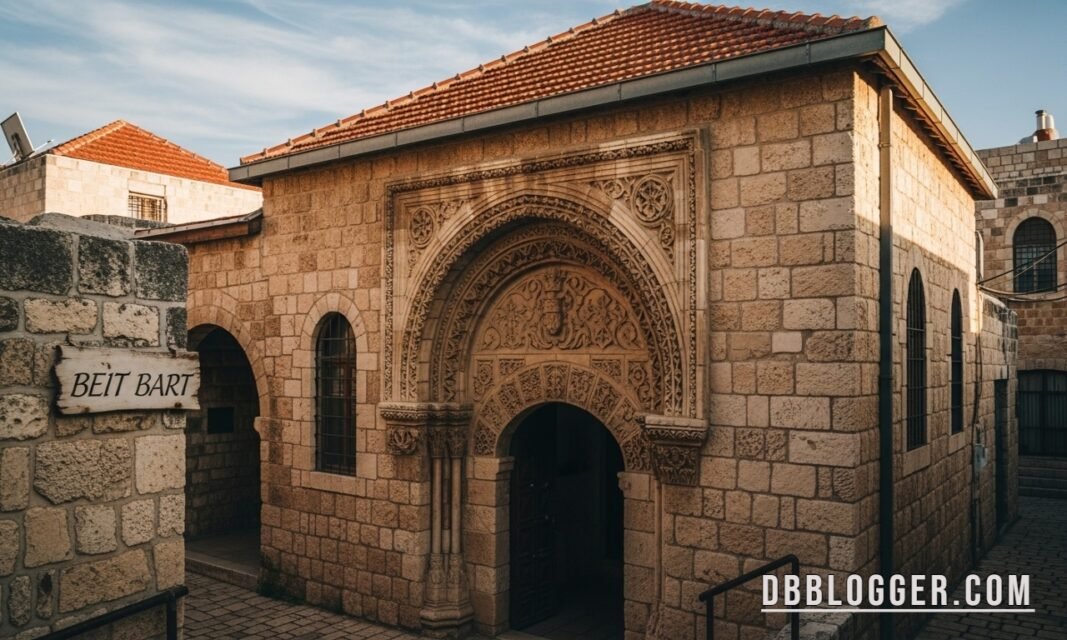
The world is full of hidden linguistic gems and historical enclaves that tell stories of migration, faith, and communal identity. Among these, the term Beit Bart stands out as a fascinating subject of study. While it may not be a household name in every corner of the globe, its roots reach deep into the soil of Semitic heritage and social structures.
Understanding this concept requires a journey through linguistics, architecture, and the intangible threads of cultural memory. This article explores the multifaceted dimensions of the name, tracing its origins and its role in modern discourse.
The Etymological Roots of “Beit” and “Bart”
To understand the full scope of the term, we must first deconstruct it. In many Semitic languages, including Arabic and Hebrew, the word Beit (or Bayt) translates directly to “house” or “home.” However, its meaning extends far beyond four walls and a roof. It often signifies a household, a dynasty, or even a place of worship.
You Might Also Like: هنتاوي.com
The second component, Bart, carries its own unique weight. In various dialects and historical contexts, it can refer to specific family lineages or geographic markers. When combined, the phrase suggests a “House of Bart”—a sanctuary or a foundational family unit that has preserved its identity through generations.
Linguistic Evolution
Over centuries, the pronunciation and usage of the name have adapted to local tongues. What began as a formal designation for a physical location often evolved into a symbol of belonging. In certain regions, it represents the intersection of private life and public legacy.
Historical Context and Origins
The history of Beit Bart is inextricably linked to the patterns of settlement in the Middle East and the Mediterranean basin. Historically, houses were named after the patriarchs or the specific trades practiced within them.
The Era of Foundations
During the medieval period, communal living was the standard. A “Beit” served as the anchor for an extended family. Historical records suggest that families associated with this name were often instrumental in local commerce or scholarly pursuits. They built structures that weren’t just residences but hubs for community gathering and decision-making.
Migration and Diaspora
As geopolitical shifts occurred, the keepers of this name moved across borders. From the Levant to North Africa and eventually to Europe and the Americas, the concept of the “house” traveled with them. Even when the physical building was left behind, the cultural essence remained intact, serving as a psychological “home” for those in the diaspora.
Architectural Significance: More Than Just a Building
When we look at the physical manifestations of Beit Bart, we see a reflection of the era’s craftsmanship. Traditional structures often featured:
- Central Courtyards: Designed to provide privacy and natural cooling.
- Intricate Stonework: Reflecting the status and the artistic sensibilities of the inhabitants.
- Functional Divisions: Separate areas for receiving guests (the liwan) and private family quarters.
These architectural choices weren’t just about aesthetics; they were about social philosophy. The “Beit” was designed to be welcoming to the stranger while remaining a fortress for the family.
Cultural Significance and Social Identity
In the modern era, the cultural weight of Beit Bart has shifted from the physical to the symbolic. It represents a “living history.” For many, the name is a badge of honor that signifies resilience and a commitment to ancestral values.
The Role of Hospitality
In the cultures where this term originates, hospitality is a sacred duty. The “House” is expected to be a place where the hungry are fed and the weary find rest. This ethos remains a cornerstone of the identity associated with the name today.
Literature and Folklore
You can find echoes of this name in local poetry and oral histories. It is often used as a metaphor for stability in a changing world. Tales of the “House” frequently emphasize the importance of maintaining one’s roots while branching out into new horizons.
Modern Interpretations and Global Reach
Today, Beit Bart might appear as a family surname, a boutique hotel, or even a cultural foundation. Its transition into the 21st century demonstrates the flexibility of cultural heritage.
| Dimension | Historical Role | Modern Manifestation |
| Social | Patriarchal household | Global family network |
| Physical | Stone dwelling | Heritage sites or businesses |
| Symbolic | Local tribal anchor | Identity in a globalized world |
In the digital age, descendants of these historical “houses” use social media and genealogical databases to reconnect. The name serves as a digital campfire, bringing together people who share a common lineage but are separated by oceans.
Challenges in Preservation
Preserving the legacy of Beit Bart is not without its hurdles. Urbanization and conflict have threatened many of the physical sites associated with this history. Furthermore, as younger generations move toward more individualistic lifestyles, the traditional “big house” model of communal living is fading.
However, there is a growing movement toward heritage conservation. Historians and community leaders are working to document the oral histories and architectural blueprints associated with these names, ensuring that the “House” lives on in the collective memory.
Conclusion: The Lasting Legacy
The story of Beit Bart is a testament to the power of a name to hold the history of a people. From its linguistic roots as a simple “house” to its status as a symbol of cultural endurance, it reminds us that our homes are built of more than just brick and mortar—they are built of stories, values, and a sense of belonging.
Whether viewed through the lens of history, architecture, or sociology, the “House” continues to stand tall, offering a window into a rich and complex past that still informs our present.